
- Model Trucks
- Model Aircraft
- Model Cars
- Model Buses
- Corgi Steam Engines
- More…
- Lego Models
- Lego Star Wars Models
- LEGO Speed Champions Models
- Lego Technic Models
- Lego Editions Models
- Lego Wicked Models
- Lego Wednesday Models
- LEGO Super Mario Models
- LEGO Stranger Things Models
- LEGO Sonic The Hedgehog Models
- LEGO One Piece Models
- LEGO Ninjago Models
- LEGO Marvel Models
- LEGO Lord of the Rings Models
- LEGO Legends of Zelda Models
- LEGO Jurassic World Models
- Corgi Vintage Glory Models
- Diecast Model Aircraft
- Diecast Model Buses
- Diecast Model Cars
- Diecast Model Trucks
- LEGO Models
- LEGO Architecture Models
- LEGO Batman Models
- LEGO DC Models
- LEGO Disney Models
- LEGO Editions Models
- LEGO Education Models
- LEGO Fortnite Models
- LEGO Harry Potter Models
- LEGO Icons Models
- LEGO Jurassic World Models
- LEGO Legend Of Zelda Models
- LEGO Lord Of The Rings Models
- LEGO Marvel Models
- LEGO NINJAGO Models
- LEGO One Piece Models
- LEGO Pokemon Models
- LEGO Sonic the Hedgehog Models
- LEGO Speed Champions Models
- LEGO Star Wars Models
- LEGO Stranger Things Models
- LEGO Super Mario Models
- LEGO Technic Models
- LEGO Wednesday Models
- LEGO Wicked Models
- Model Ships
- Model Tanks
- The Beatles Models
- TV and Film
- uncategorized
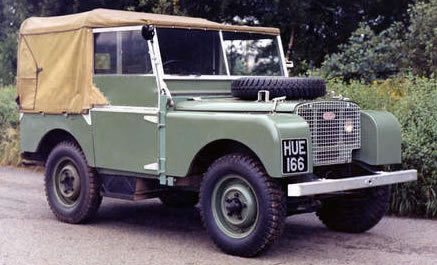
Corgi Vanguards VA11101 Land Rover Series 1
Diecast Devon may earn a small referral fee at no cost to the reader from these links.
Share:
Spencer Wilks and younger brother Maurice rescued the Coventry firm of Rover from near financial ruin in 1929 and spent the 1930s rebuilding the company, acquiring a reputation for making high quality saloons in the process. So successful were they, that Rover was asked to join the Air Ministry’s shadow factory scheme in 1936, meaning that as the war ended Rover were left in control of two extra plants in the Midlands. They were offered first refusal on both by the Ministry and chose to sell their old factory, Helen Street in Coventry, so they could relocate car production to the huge new Solihull plant. When Rover were eventually given the green light to start building civilian cars at the end of 1944, their steel allocation was sufficient for only 1100 vehicles; a fraction of what was needed to keep Solihull profitable. Development work on an aluminium-based small car was shelved because it lacked export potential and with the all new P4 still some years away (although its
| Manufacturer | Corgi |
|---|---|
| Model Range | Corgi Vanguards |
| Model Scale | 1:43 |
| Ltd Edition | 2500 |
| Release Date | Mar-09 |

8 Shelf Acrylic Wall Display Case
Search for this display case on amazon.co.uk
Search for this display case on
ebay.co.uk

4 Shelf Acrylic Wall Display Case
Search for this display case on amazon.co.uk
Search for this display case on
ebay.co.uk

Wooden Wall Display Case
Search for this display case on amazon.co.uk
Search for this display case on
ebay.co.uk


